Quick answer
What do you need to know before visiting Yala National Park?
Yala is Sri Lanka's best park for leopards. Go to Block 1 via the Palatupana gate, on a morning drive between February and July. Blocks 1 and 2 close for several weeks most Septembers and Octobers (14 September to 15 October in 2026). Budget about US$45 per person for entry plus US$45 to US$80 for a half-day jeep.
- Block 1 is best for leopards; Block 5 is quieter and stayed open during the 2026 closure
- Sloth bears: best in the palu fruit season, May to June
- Two people, half day: about US$135–170 in total
- Stay in Tissamaharama or a park-edge lodge for an easy 06:00 start
- Size
- About 979 km², 5 blocks
- Best for leopards
- Block 1, Feb–Jul
- Usual closure
- Blocks 1–2, Sep–Oct
- Half day for 2
- ~US$135–170
In this guide (13 sections)
What and where is Yala National Park?
Yala National Park is a protected area of about 979 km² on Sri Lanka's south-east coast, spread across the Southern and Uva provinces, and it is the country's most visited park. It is roughly 260 km from Colombo by road. The landscape is dry thorn scrub, open grassland, rocky outcrops, freshwater tanks, coastal lagoons and beach, which is why animals are easier to spot here than in the wetter forests of the hill country.
The Sri Lanka Tourism Promotion Bureau counts 44 mammal and 215 bird species in the park. The ones people come for are the Sri Lankan leopard, the sloth bear and the Asian elephant, with mugger crocodiles, spotted deer, water buffalo, peafowl and painted storks on almost every drive. The park is also called Ruhuna, after the ancient southern kingdom, and there are temple ruins and the Sithulpawwa rock monastery inside it.
Our Sri Lanka safari guide compares Yala with Udawalawe, Minneriya and Wilpattu. This page goes deep on one park: how to see it well, and what it costs.
Which Yala block should you visit?
For a first visit, choose Block 1: it has the highest leopard density in the park and the coastal lagoons, and it is entered from the Palatupana gate near Kirinda, south-east of Tissamaharama. The park is divided into five blocks. Blocks 1 and 2 are the ones most visitors see, and Blocks 3 and 5 are visited far less often.
| Block | Gate | Best for | Crowds | During the closure |
|---|---|---|---|---|
| Block 1 | Palatupana (main gate); Katagamuwa | Leopards, lagoons, birds, coast | Heavy, especially mornings in peak season | Usually closed |
| Block 2 | Palatupana or Katagamuwa, with Block 1 | More of the same habitat, fewer jeeps | Moderate | Usually closed |
| Block 3 | Galge (Buttala–Kataragama road) | Forest and tanks, quiet drives | Light | Usually open |
| Block 5 | Galge side | Quiet drives, a chance of leopard | Light, controlled numbers | Usually open |
| Block 4 | Galge area | Not regularly open to visitors | None | Not applicable |
The Katagamuwa gate, on the Kataragama side, is a useful second door into Block 1. When the Palatupana entrance closed in early 2024, visitors were sent through Katagamuwa instead. Your driver will know which gate is operating and which is quieter on the day.
When is Yala closed? The annual dry-season closure
Blocks 1 and 2 of Yala close for several weeks in most years, at the height of the dry season, so that animals have undisturbed access to the little water left. In 2026 the Department of Wildlife Conservation closed Blocks 1 and 2 from 14 September to 15 October, citing drought and heat stress, with water sources inside the park drying up. The remaining blocks stayed open.
Short, unplanned closures happen too. Heavy north-east monsoon rain can flood tracks or a gate road between November and January: in January 2024 the Palatupana entrance closed temporarily because of floods and visitors were sent through Katagamuwa. Your driver should check the night before.
Yala visit planner: block, slot and closure check
Pick your month and what matters most to you. The planner suggests a block and a time of day, warns you if your dates fall in the usual closure window, and points you to the next step. It uses the same seasonal ratings as the month table in the next section, and its advice for each priority is in the table below it.
Your plan: February, leopard
- Where
- Block 1, entering at Palatupana
- When in the day
- Morning half day, or a full day if you can sit in a jeep for 12 hours
- Why
- Block 1 has the highest leopard density in the park. Leopards are often most active soon after dawn, when the gates open.
- Season
- February is rated best for leopard. Drying out. The start of the strongest leopard months, and migrant birds are still present.
Planning guidance from our own trips, not a guarantee of sightings. The same advice is in the tables below.
| Priority | Block | Slot | If Blocks 1 and 2 are closed |
|---|---|---|---|
| Leopard | Block 1, entering at Palatupana | Morning half day, or a full day if you can sit in a jeep for 12 hours | Block 5 via Galge (quieter, lower leopard density) or Wilpattu National Park in the north-west |
| Elephants | Block 1, then add Udawalawe | Afternoon half day, when elephants come to water | Udawalawe National Park, which is open all year |
| Birds | Block 1 for the lagoons, plus a morning in Bundala | Morning half day | Bundala National Park or the Tissamaharama tanks |
| Photography | Block 1 at the gate opening, or Block 5 for fewer jeeps in your frame | Full day, or two morning drives on consecutive days | Block 5 via Galge, or Udawalawe for elephants in open country |
| With kids | Block 1, entering at Palatupana | Afternoon half day (about 3.5 to 4 hours, no pre-dawn start) | Udawalawe, where elephants are near-certain and drives feel shorter |
When is the best time to visit Yala?
The best time to visit Yala for leopards is February to July, when the park is dry, water is scarce and animals gather where jeeps can see them. May and June add the best chance of a sloth bear. November to January is green and full of migrant birds, but showers are more frequent and the thicker scrub hides animals.
| Month | Leopard | Sloth bear | Elephant | Birds | Notes |
|---|---|---|---|---|---|
| January | Good | Fair | Good | Best | Green after the north-east monsoon rains, migrant birds present, and busy in the first week (school holidays). |
| February | Best | Fair | Good | Best | Drying out. The start of the strongest leopard months, and migrant birds are still present. |
| March | Best | Fair | Good | Good | Dry and hot. Waterholes shrink, so animals concentrate where jeeps can see them. |
| April | Best | Good | Good | Good | Very good leopard odds. Busy around the Sinhala and Tamil New Year (mid-April) with domestic visitors. |
| May | Best | Best | Good | Fair | Palu fruit season usually begins, the best window for sloth bears. Fewer foreign visitors. |
| June | Best | Best | Best | Fair | Peak sloth bear month in most years, strong leopard odds, elephants gather at water. |
| July | Best | Good | Best | Fair | Still dry and productive. Palu fruit can last into July. Hot in the jeep at midday. |
| August | Good | Fair | Best | Fair | Very dry and dusty. Good viewing at the remaining water, but the annual closure is close: check the date. |
| September | Fair | Fair | Good | Fair | Closure risk. Blocks 1 and 2 usually close for part of September and into October. Other blocks stay open. |
| October | Fair | Fair | Good | Good | Closure risk. Blocks 1 and 2 reopen in mid or late October, depending on the year. The rains begin. |
| November | Good | Fair | Good | Best | North-east monsoon showers, the park turns green and migrant birds arrive. Some tracks can flood. |
| December | Good | Fair | Good | Best | Rain showers, lush scrub, many migrant birds. Christmas and New Year are the busiest days of the year. |
Leopard
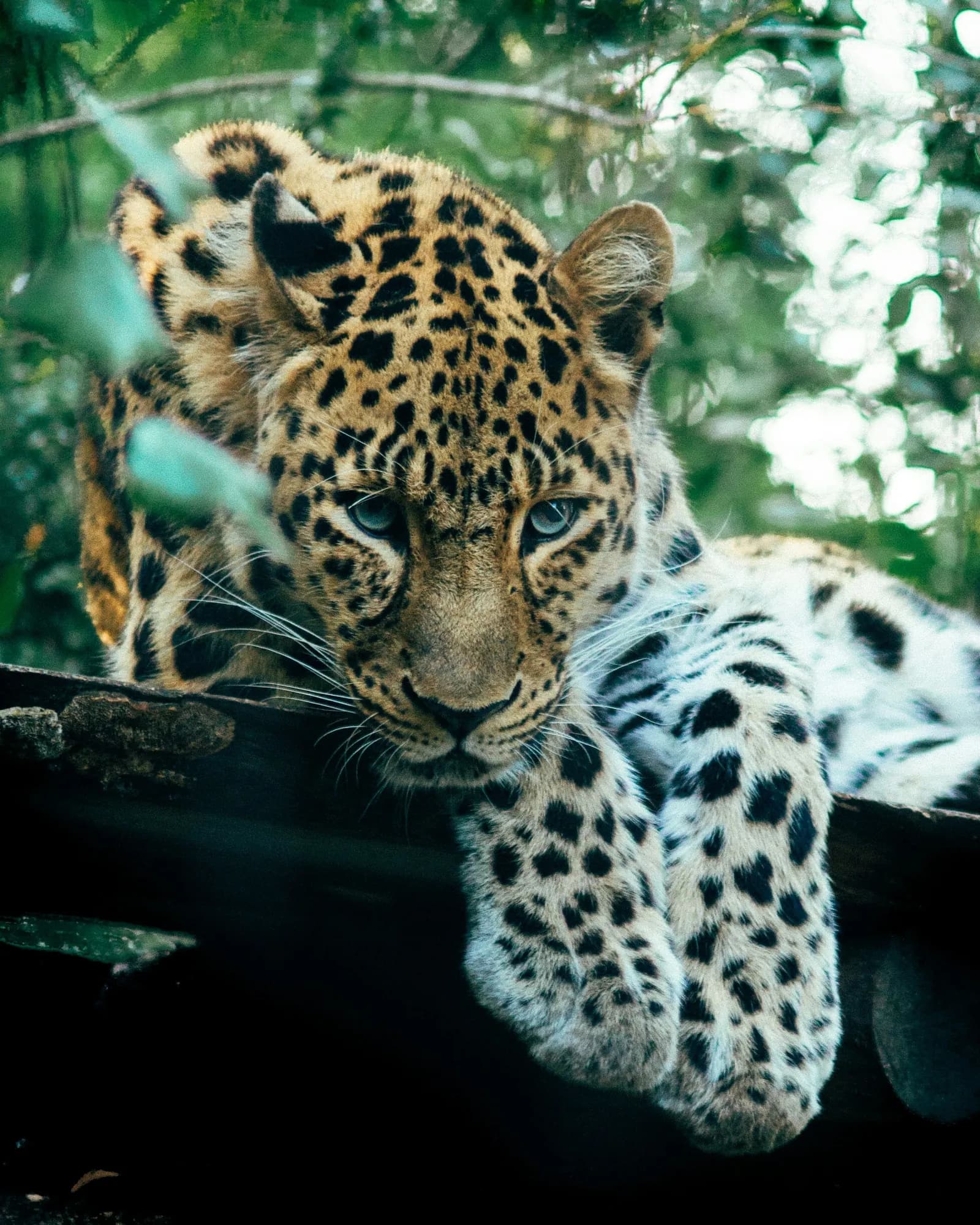
Yala's leopards are the reason Block 1 is crowded. With no lions or tigers to compete with, Sri Lankan leopards often rest in the open on rocks and branches by day. Leopards are most active in the cool of the day, so plan for the first two hours of the morning and the last hour before the gate closes.
Sloth bear
Sloth bears are shy and mostly nocturnal. The window is the palu season, when the palu trees fruit and bears come out in daylight to feed. Most sources put it in May and June; in some years it runs into July.
Elephant
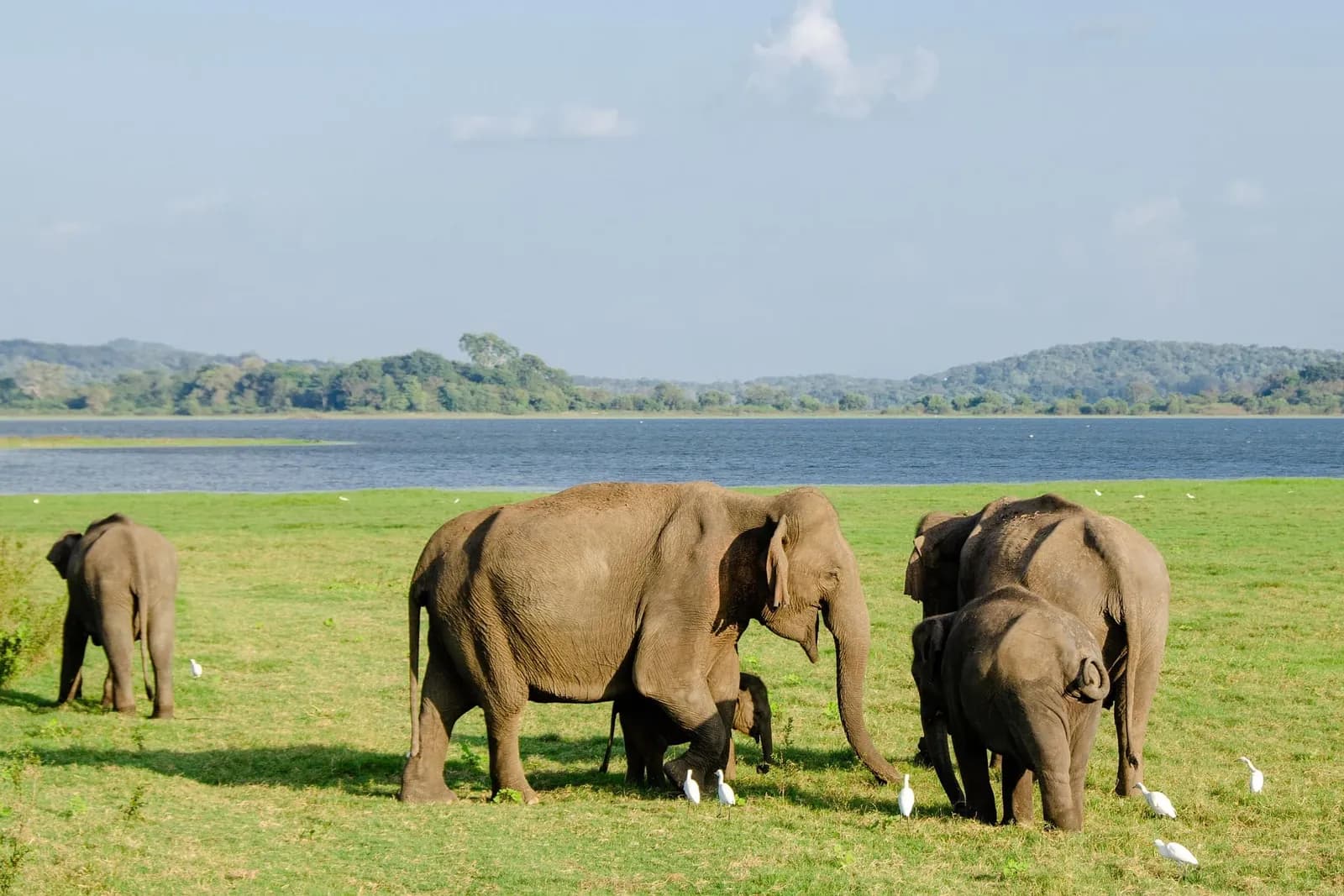
Yala's elephants are present all year and most visible in the dry months from June to August, when they come to the tanks in the afternoon. If elephants are the priority, Udawalawe is the better park: see the combinations below.
Birds
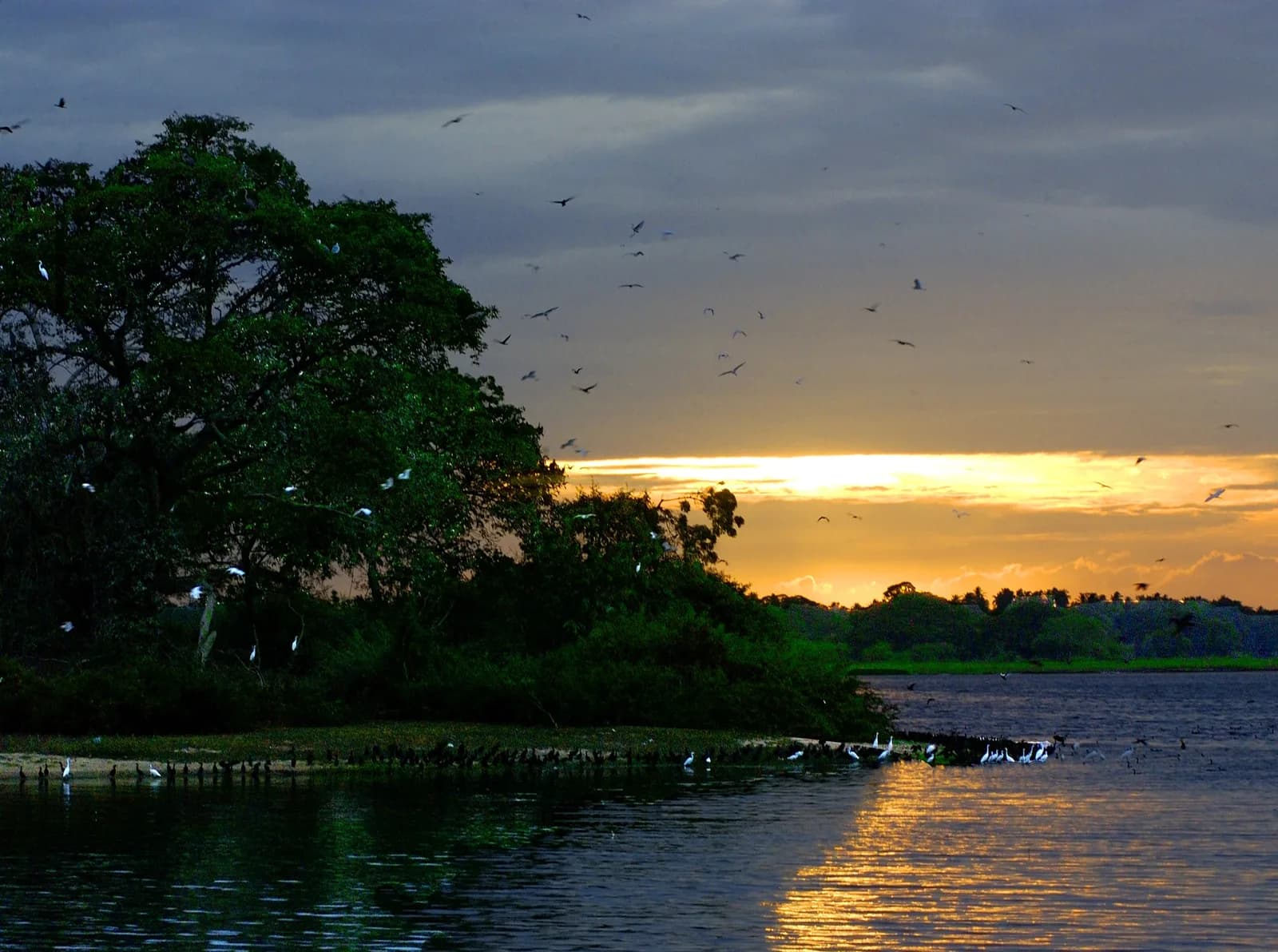
Migrant waders and waterbirds arrive with the north-east monsoon, roughly November to March. Combine a Yala drive with a morning in Bundala, Sri Lanka's first Ramsar wetland, a short drive west of Tissamaharama.
Morning, afternoon or full-day safari in Yala?
A morning half day is the best single drive for leopards, an afternoon half day is better for elephants and families, and a full day gives the best overall odds if you can sit in a jeep for 12 hours. The park is open from 06:00 to 18:00.
| Slot | Typical timing | Best for | Downsides |
|---|---|---|---|
| Morning half day | Leave the hotel about 05:00–05:30, in the park 06:00 to about 10:00 | Leopards, birds, soft light | Very early start; the busiest slot at the gate |
| Afternoon half day | In the park about 14:30 to 18:00 | Elephants at water, families, golden light | Hot for the first hour; you must exit by 18:00 |
| Full day | 06:00 to 18:00 with a packed breakfast and lunch | The best overall odds, photographers | Long and hot; too much for most young children |
On a full day, you stop for lunch at one of the designated rest areas and stay inside the park through the midday lull, when most half-day jeeps have left. The roads around a sighting at 11:00 can be almost empty. The cost of the jeep roughly doubles, but for serious wildlife watchers it buys the most time in the park.
How much does a Yala safari cost in 2027?
A half-day Yala safari for two people costs roughly US$135 to US$170 in total: about US$45 each for park entry, service charge, vehicle fee and VAT, plus US$45 to US$80 to hire a private jeep and licensed driver. A full day is roughly US$180 to US$240 for two.
| Item | Approximate cost | Notes |
|---|---|---|
| Park entry, foreign adult | About US$45 per person all-in | A base fee of about US$25, plus a service charge, a vehicle fee and 18% VAT, for two people sharing a jeep |
| Private jeep, half day | US$45–80 per jeep | Hired in Tissamaharama or through your hotel; the jeep takes up to about six |
| Private jeep, full day | US$90–150 per jeep | Packed meals extra unless your lodge supplies them |
| Tip for the jeep driver | Your choice | Not required; a small tip after a good drive is common |
Worked example: two people
| Plan | Entry (2 × US$45) | Jeep | Total for two | Per person |
|---|---|---|---|---|
| One half day | US$90 | US$45–80 | US$135–170 | US$68–85 |
| One full day | US$90 | US$90–150 | US$180–240 | US$90–120 |
| Two half days (morning and afternoon) | US$180 (two entries) | US$90–160 | US$270–340 | US$135–170 |
Four people sharing a jeep bring the per-person cost down, because the jeep price is split four ways. Check whether a quote is "per person" or "per jeep": cheap online prices often exclude the entry ticket, which is the larger part for two people. For the rest of the trip budget, our guide to what a Sri Lanka private tour costs has the full line-by-line model, and our car and driver rates guide explains what a daily driver rate should include.
Is Yala too crowded? Jeep numbers and the rules
Yes, Block 1 can be badly crowded: Mongabay reported in April 2026 that around 500 jeeps are allowed in each day across the morning and afternoon sessions, from 552 registered vehicles, and a leopard sighting can quickly become a jam. Deputy Environment Minister Anton Jayakody said the plan is to cap entries at around 250 to 300 jeeps, but that cap was a plan, not a rule, at the time of the report, and we found no later confirmation that it has started.
The cap is a long-running argument. In October 2017 a limit of about 300 jeeps a day prompted protests by jeep owners and was later relaxed. What has changed since is enforcement. Since 1 January 2024 only drivers licensed by the Department of Wildlife Conservation may take visitors into Yala, and licences can be suspended. The warden's team advises drivers to switch off engines near animals and to keep their distance, and a jeep that leaves even a minute after closing time can be banned from the park for a day. GPS tracking of jeeps is planned.
How to get a calmer Yala
- Enter at the gate opening and head away from the convoy
- Take a full day and use the midday lull
- Choose Block 5 via Galge for at least one drive
- Avoid the first week of January, mid-April and long weekends
What makes it worse
- Booking the cheapest jeep: the driver earns his tip by racing to sightings
- Asking the driver to get closer
- Only one afternoon drive in peak season
- Planning a Block 1 safari in September or October without a fallback
How to do Yala ethically
An ethical Yala safari means a licensed driver who keeps a set distance, never chases, switches off the engine at a sighting and moves on when a jam forms. You set the tone: tell your driver at the start that you would rather miss a leopard than crowd one.
- Never ask a driver to leave the track, speed or block an animal's path. Leopards and jungle cats have been killed by speeding jeeps in Yala.
- Stay seated and quiet. Do not feed animals, including the langurs and peacocks at rest stops.
- Take all rubbish out with you; plastic bags kill deer and elephants.
- Skip any operator who promises a "guaranteed leopard". No one can honestly promise one.
Zelenso's wider wildlife stance, including why we exclude elephant rides, is explained in our elephant safari guide.
What to bring on a Yala safari
Bring water, sun protection, a light layer for the 05:30 start, binoculars and a camera with a zoom lens. Open jeeps are dusty and the sun is strong by 09:00.
- Water and snacks. Lodges pack breakfast boxes for morning drives; there is nowhere to buy food inside.
- Hat, sunglasses, sun cream. Most jeeps have a canopy, but light comes in from the side.
- A scarf or buff. For dust on the dry-season tracks.
- Neutral clothes. Khaki, green or beige. Avoid bright colours.
- Binoculars. One pair per person, if you can. Leopards are often some distance from the track.
- A zoom lens. 200–400 mm covers most sightings. A beanbag on the jeep rail beats a tripod.
- Insect repellent. Mosquitoes are worse in the wet months and near the lagoons.
Where to stay for Yala: Tissamaharama, Kirinda or a park-edge lodge
Stay in Tissamaharama if you want choice and value, in Kirinda if you want a quiet beach village close to the Palatupana gate, and at a park-edge lodge if you want wildlife around you and the shortest possible drive to the gate. All three work for a 06:00 entry.
| Base | Suits | Pros | Cons |
|---|---|---|---|
| Tissamaharama (Tissa) | Most travellers, budgets of every size | Many guesthouses and mid-range hotels, restaurants, lakes, jeep drivers on hand | The longest drive to Palatupana of the three, and an earlier start |
| Kirinda | Couples, quiet stays | A fishing village by the sea, close to the gate | Fewer places to eat; stays are mostly small guesthouses and villas |
| Park-edge lodges (Palatupana area) | Wildlife lovers, special trips | Animals around the property, the shortest transfer, lodge-run safaris | The most expensive option; book early for December to April |
Our 7-day highlights tour (from US$749 per person) sleeps one night near Yala before a morning drive. The 14-day wildlife tour spends two nights, so you get an afternoon drive and a full day. On both, park entry and the safari jeep are paid separately. If you are travelling with children, a lodge with a pool makes the midday break much easier.
How to get to Yala, and which parks to combine it with
Most travellers reach Yala from Ella (2 to 3 hours by car to Tissamaharama) or from the south coast (about 2.5 hours from Mirissa). From Colombo, the Southern Expressway runs most of the way; allow roughly 4 to 5 hours.
| From | Drive time | Notes |
|---|---|---|
| Ella | 2–3 h | Downhill out of the hills; the usual route on a classic itinerary |
| Udawalawe | About 1.5 h | Pair an elephant drive at Udawalawe with leopards at Yala |
| Mirissa | About 2.5 h | Along the south coast; easy to add a morning safari before the beach |
| Galle | 3–3.5 h | By the coast road or partly by expressway |
| Colombo | About 4–5 h (approximate) | Mostly by the Southern Expressway; class 1 toll Kottawa to Hambantota Rs1,000 |
Combining Yala with other parks
- Udawalawe, 1.5 hours away, is the best partner: elephants are near-certain, and the Elephant Transit Home shows orphaned calves at feeding time.
- Bundala, a short drive from Tissamaharama, is a wetland for flamingos (in some years), waders and crocodiles. A morning there and an afternoon at Yala works well.
- Kumana, on the far east of Yala, is a bird sanctuary best known for its nesting season around May and June. It is reached from Arugam Bay, not Tissamaharama, so fit it into an east-coast trip. Sources disagree on its seasonal closures, so check first.
How Yala fits into a whole trip depends on its length. Our 7-day itinerary keeps it to one night; the 14-day itinerary leaves room for Udawalawe as well. If you are travelling with children, read Sri Lanka with kids first, and for general safety on the roads, is Sri Lanka safe in 2027. A private driver waits at the lodge while you are on safari, so the day can continue straight to the coast.
Frequently asked questions
Is Yala National Park worth visiting?
Yes, if seeing a leopard matters to you. Block 1 has the highest leopard density in the park, and a morning drive between February and July gives you good odds. The trade-off is crowding: a leopard sighting can quickly turn into a jam of jeeps. If you want elephants or a quieter drive, Udawalawe or Wilpattu suit you better.
When is Yala National Park closed?
Blocks 1 and 2 close for several weeks most years during the dry season, usually somewhere between early September and late October. In 2026 they were closed from 14 September to 15 October because of drought and heat stress. The other blocks stayed open. The dates change each year and are announced only weeks ahead, so check before you book.
How much does a Yala safari cost?
Budget about US$45 per person for park entry with fees and VAT, plus US$45 to US$80 for a private jeep on a half day or US$90 to US$150 for a full day. For two people on a half day, that is roughly US$135 to US$170 in total, or US$68 to US$85 each. Prices are approximate: confirm the current fee when you book.
Is morning or afternoon better for leopards in Yala?
Morning, on balance. Leopards are often active and visible soon after the gates open at 06:00, and the light is soft. Afternoons, from about 14:30 to 18:00, are good for elephants coming to water and are easier with children. A full day gives the best chance of all, because you stay in the park when others leave.
Which block of Yala is best?
Block 1, entered from Palatupana, is best for leopards and is where most visitors go. Block 2, next to it, is usually entered with Block 1. Block 5, reached from the Galge side on the Buttala to Kataragama road, is quieter and stayed open during the 2026 closure, but leopard density there is lower.
Can I see a sloth bear in Yala?
Possibly, but they are hard to find. The best window is the palu fruit season, usually May to June and sometimes into July, when bears come out to feed on the ripe berries in daylight. Outside that season a daytime sighting is uncommon.
How far is Yala from Ella and Mirissa?
Ella to Tissamaharama, the town outside Yala, is about 2 to 3 hours by car. Tissamaharama to Mirissa is about 2.5 hours. Udawalawe is about 1.5 hours away, so the two parks pair easily.
Can children go on a Yala safari?
Yes, children are welcome on jeep safaris, but young children usually do best on an afternoon half day of about 3.5 to 4 hours, rather than a pre-dawn start or a 12-hour full day. Bring water, snacks, hats and sun cream, as toilet stops inside the park are few.
How we researched this guide
Written by the Zelenso Travel planning team in Sri Lanka from the trips we run, then checked against the primary sources below. Facts were last checked on 4 November 2026. Rules, fees and timetables change: confirm anything time-critical with the official source before you travel.
- Yala National Park Blocks 1 and 2 to close temporarily from 14 SeptemberNews First (Sri Lanka), 7 Sep 2026 · checked Nov 2026
- In Sri Lanka, animals pay the price for overcrowding and speeding jeepsMongabay, 17 Apr 2026 · checked Nov 2026
- Notice to guests visiting Yala: licensed safari jeep drivers onlyAda Derana, 30 Dec 2023 (SLTDA notice) · checked Nov 2026
- Yala safari jeep owners protest the vehicle limitAda Derana, Oct 2017 · checked Nov 2026
- Yala National Park: area, blocks, gates and opening hoursSri Lanka Tourism Promotion Bureau (lovesrilanka.org) · checked Nov 2026
- Sri Lanka entrance fees: national parkstuktukrental.com (third-party list, 2026) · checked Nov 2026
- Palu season comes alive in YalaDaily FT · checked Nov 2026
- Yala Block One closed from 2 September to 31 October (an earlier year's closure)Daily Mirror (Sri Lanka) · checked Nov 2026
- Main entrance to Yala temporarily closed (floods)Ada Derana, Jan 2024 · checked Nov 2026
- Department of Wildlife Conservation (official notices)Government of Sri Lanka · checked Nov 2026